
Mastering Real Estate Planning Strategies for Your Future

Planning for the future can feel overwhelming, especially when it involves real estate. Whether you own a family home, rental properties, or land passed down through generations, having a clear plan is essential. I’ve learned that mastering real estate planning strategies is not just about protecting assets but also about ensuring peace of mind for you and your loved ones. In this post, I’ll walk you through practical steps and insights to help you navigate this important process with confidence.
Understanding Key Estate Planning Strategies
Estate planning strategies are the foundation of securing your real estate assets for the future. These strategies help you decide how your property will be managed, transferred, or sold after you’re no longer able to do so yourself.
Some common strategies include:
Creating a will: This legal document specifies who inherits your property.
Establishing trusts: Trusts can help avoid probate and provide tax benefits.
Designating beneficiaries: For certain types of property, you can name beneficiaries directly.
Using powers of attorney: This allows someone you trust to manage your affairs if you become incapacitated.
Planning for taxes: Proper planning can reduce estate taxes and other fees.
For example, if you own multiple rental properties, setting up a trust can simplify management and protect your heirs from lengthy court processes. Or, if you have a vacation home, you might want to specify how it should be used or maintained by future generations.
By taking the time to understand and implement these strategies, you can avoid common pitfalls like probate delays, family disputes, or unexpected tax burdens.
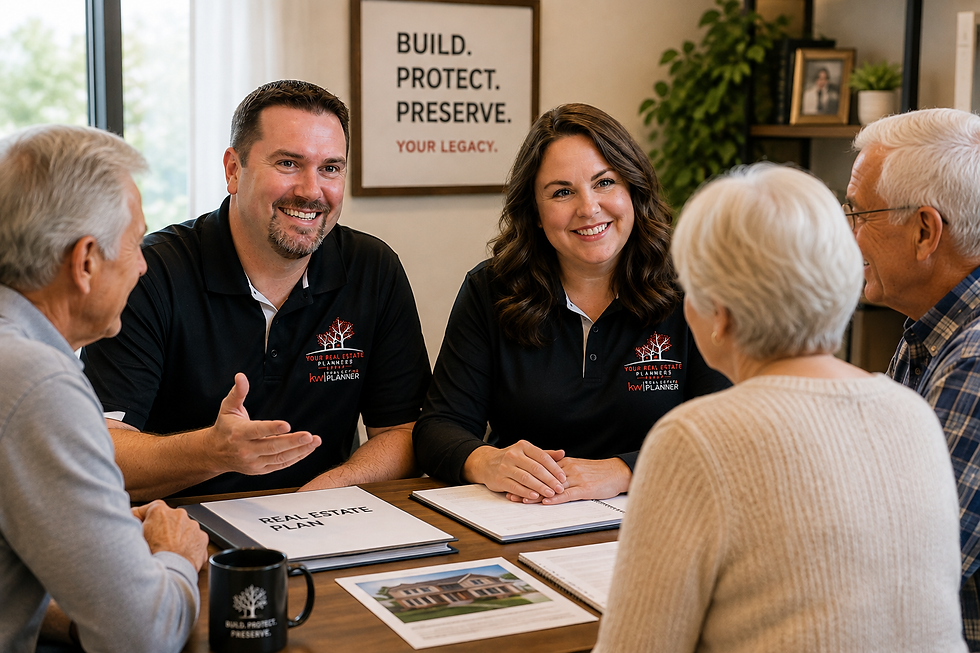
What is an estate planning service?
An estate planning service is a professional resource that helps you organize your real estate and other assets to meet your long-term goals. These services often include legal advice, document preparation, and personalized planning tailored to your unique situation.
When working with an estate planning service, you can expect:
Comprehensive asset review: They assess all your properties and financial holdings.
Customized plan creation: They help you develop a plan that fits your family’s needs and goals.
Legal document preparation: Wills, trusts, powers of attorney, and other documents are drafted correctly.
Ongoing support: Many services offer updates and adjustments as your circumstances change.
For instance, if you’re a landlord with several rental properties, an estate planning service can help you create a plan that ensures your tenants and properties are managed smoothly after your passing. They can also advise on strategies like 1031 exchanges to defer taxes when selling investment properties.
If you want to explore professional help, consider real estate planning services that specialize in guiding seniors and families through complex real estate transitions.
Practical Steps to Start Your Real Estate Planning
Starting your real estate planning doesn’t have to be complicated. Here are some actionable steps you can take today:
Take inventory of your properties
List all your real estate holdings, including primary residences, rental properties, vacation homes, and land. Include details like current market value, mortgage status, and any liens.
Identify your goals
What do you want to achieve? Protect your family’s inheritance? Avoid probate? Minimize taxes? Clarifying your goals will guide your planning decisions.
Choose your trusted advisors
This might include an estate planning attorney, financial advisor, and real estate professional. Their expertise will be invaluable.
Draft or update your will and trusts
Make sure your documents reflect your current wishes and property holdings.
Communicate with your family
Open discussions can prevent misunderstandings and conflicts later.
Review and update regularly
Life changes like marriage, divorce, or the acquisition of new property require updates to your plan.
For example, if you recently inherited a family ranch, you might want to set up a trust to manage it and specify how it should be used or sold. Or, if you’re approaching retirement, you may want to plan for downsizing and transferring your primary residence to your heirs.

Avoiding Common Pitfalls in Real Estate Planning
Many people make mistakes that can complicate their estate plans. Here are some common pitfalls and how to avoid them:
Failing to update documents: Life changes, and so should your plan. Regular reviews are essential.
Ignoring tax implications: Estate taxes and capital gains can significantly reduce what your heirs receive.
Not planning for incapacity: Powers of attorney and healthcare directives are crucial.
Overlooking probate avoidance: Probate can be costly and time-consuming; trusts can help avoid it.
Not communicating with heirs: Lack of communication can lead to disputes and confusion.
For example, if you don’t update your will after purchasing a new rental property, it might not be included in your estate plan, causing legal complications. Or, if you don’t plan for incapacity, your family might face court battles to manage your affairs.
By being proactive and thorough, you can protect your real estate assets and ensure your wishes are honored.
Planning for Multi-Generational Wealth and Legacy
Real estate often represents more than just financial value - it’s a legacy. Many families want to pass down property through generations while preserving its value and minimizing conflicts.
Here are some strategies to consider:
Create a family trust: This can hold property for multiple generations and provide clear rules for management and distribution.
Set up a buy-sell agreement: For families with multiple owners, this can prevent disputes over property sales.
Consider life estates: This allows someone to live in a property for life, with ownership passing to heirs afterward.
Plan for property maintenance and taxes: Ensure there are funds and plans in place to keep the property in good condition.
For example, a family with a vacation home might create a trust that allows all siblings to use the property on a rotating basis, with clear guidelines to avoid conflicts. Or, a ranch owner might set up a plan that keeps the land intact while providing income to heirs.
By thinking long-term and involving all stakeholders, you can create a plan that honors your family’s values and protects your real estate investments.
Mastering real estate planning strategies is a journey that requires thoughtful consideration and expert guidance. By taking the steps outlined here, you can build a solid foundation for your future and the future of those you care about. Remember, the right plan today can save your family time, money, and stress tomorrow.



Comments